Artificial Lighting for Indoor Plants | RHS Advice
Discover how to use artificial lighting to grow healthy houseplants. Our beginners guide covers setup, tips, and plant care essentials.
En bref
Ajouté le
17 mars 2026
Matière et domaine
life-health · plants-photosynthesis
Niveaux scolaires
7e année–12e année (Terminale)
Type de page
Article
Introduction
Artificial Lighting for Indoor Plants
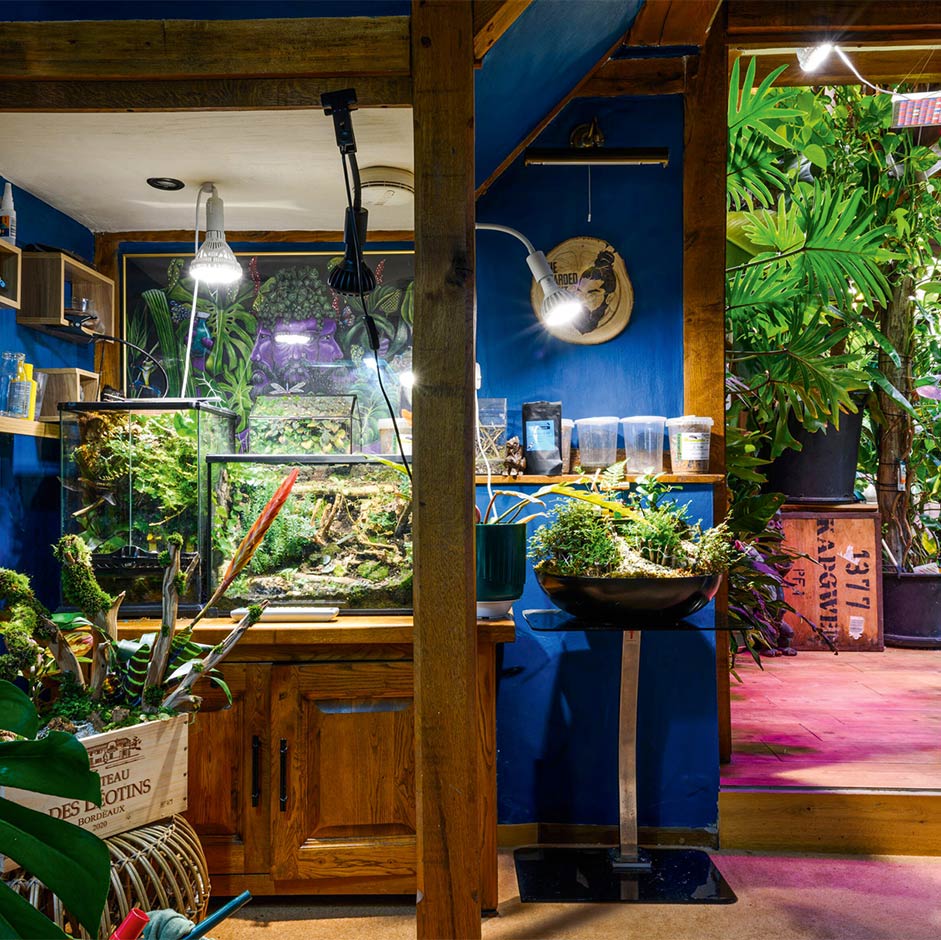
- Purpose: Artificial lighting supplements natural light for winter growth, starting seedlings early, illuminating dark areas, or creating decorative indoor displays.
- Recommended Equipment:
- T5 High Output (HO) Fluorescent Tubes: The current top choice for home use. They are long-lasting (~20,000 hours), inexpensive, emit little heat, and provide sufficient intensity for growth and flowering.
- LEDs: Highly energy-efficient and long-lasting with low operating temperatures, though often more expensive to install and may require specialist light meters.
- Avoid: Standard domestic bulbs (insufficient intensity) and HID lights (excessive heat requiring complex extraction).
- Light Spectrum:
- Blue light: Stimulates growth and keeps seedlings compact.
- Red light: Important for growth and flower production.
- Strategy: Use a combination of red and blue tubes (or Kelvin-rated tubes) to balance development.
- Operational Guidelines:
- Duration: Typically 16 hours per day.
- Setup: Reflectors are recommended to direct light downward; a basic setup often involves suspending lights approximately 60cm above plants.
- Efficiency: Maximize natural daylight first and only use artificial systems when necessary.
- Monitoring Plant Health:
- Ideal: Mid-green foliage.
- Too much light: Bleached appearance, stunted growth, or yellow-green foliage. Remedy by moving lights further away, reducing the number of tubes, or shortening the duration.
- Too little light: Poor growth and dark green foliage. Remedy by moving plants closer to lights or increasing the duration/number of tubes.
- Imbalanced Spectrum: Too much blue causes stunted, thick-stemmed plants; too much red causes tall, spindly growth.
Avis de la communauté
Pas encore d’avis publiés. Soyez le premier à partager votre expérience.