Artificial Lighting for Indoor Plants | RHS Advice
Discover how to use artificial lighting to grow healthy houseplants. Our beginners guide covers setup, tips, and plant care essentials.
概览
收录于
2026年3月17日
学科与领域
life-health · plants-photosynthesis
年级范围
七年级–十二年级(高四)
页面类型
Article
简介
Artificial Lighting for Indoor Plants
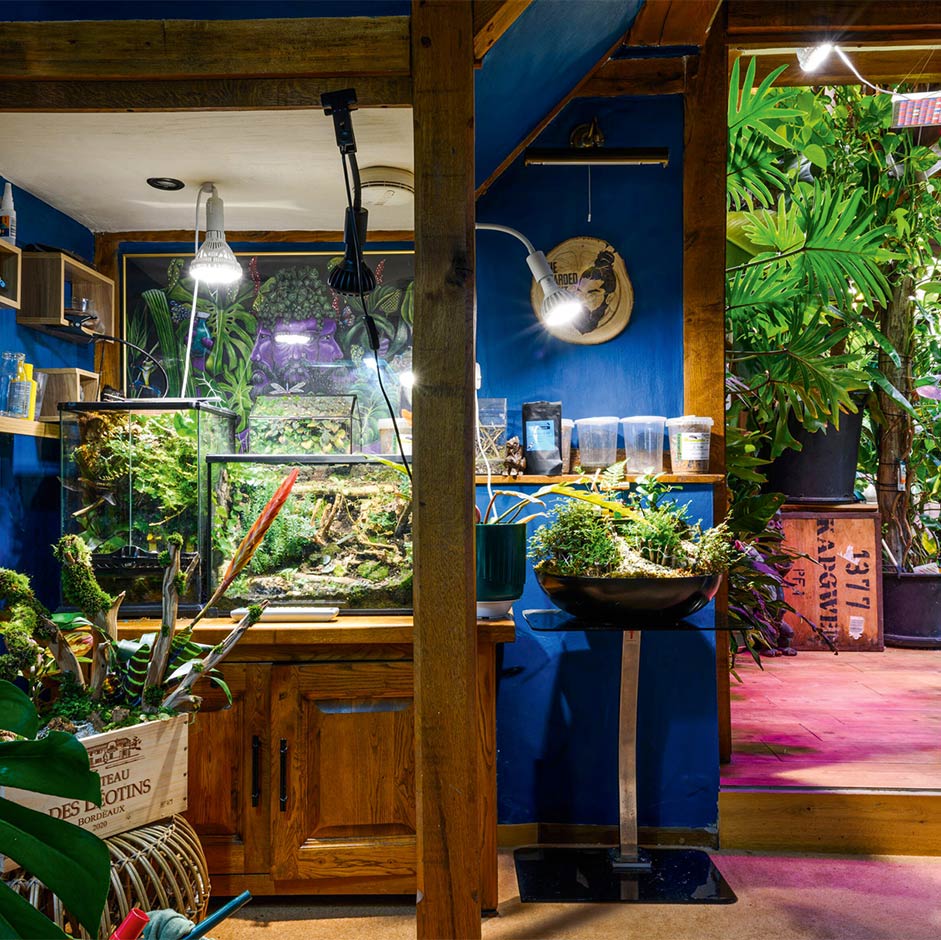
- Purpose: Artificial lighting supplements natural light for winter growth, starting seedlings early, illuminating dark areas, or creating decorative indoor displays.
- Recommended Equipment:
- T5 High Output (HO) Fluorescent Tubes: The current top choice for home use. They are long-lasting (~20,000 hours), inexpensive, emit little heat, and provide sufficient intensity for growth and flowering.
- LEDs: Highly energy-efficient and long-lasting with low operating temperatures, though often more expensive to install and may require specialist light meters.
- Avoid: Standard domestic bulbs (insufficient intensity) and HID lights (excessive heat requiring complex extraction).
- Light Spectrum:
- Blue light: Stimulates growth and keeps seedlings compact.
- Red light: Important for growth and flower production.
- Strategy: Use a combination of red and blue tubes (or Kelvin-rated tubes) to balance development.
- Operational Guidelines:
- Duration: Typically 16 hours per day.
- Setup: Reflectors are recommended to direct light downward; a basic setup often involves suspending lights approximately 60cm above plants.
- Efficiency: Maximize natural daylight first and only use artificial systems when necessary.
- Monitoring Plant Health:
- Ideal: Mid-green foliage.
- Too much light: Bleached appearance, stunted growth, or yellow-green foliage. Remedy by moving lights further away, reducing the number of tubes, or shortening the duration.
- Too little light: Poor growth and dark green foliage. Remedy by moving plants closer to lights or increasing the duration/number of tubes.
- Imbalanced Spectrum: Too much blue causes stunted, thick-stemmed plants; too much red causes tall, spindly growth.
用户评价
暂无已发布的评价,欢迎率先分享您的使用体验。