Where we work | World Wildlife Fund
WWF is committed to saving the places that are most essential for all life on Earth.
概览
收录于
2026年3月17日
学科与领域
earth-environment · water-systems-oceanography
年级范围
五年级–十二年级(高四)
页面类型
Article
简介
WWF Conservation Strategy and Geographic Focus
- Core Mission: Conserving essential ecosystems to benefit both people and the planet using a combination of scientific research, data, and local knowledge.
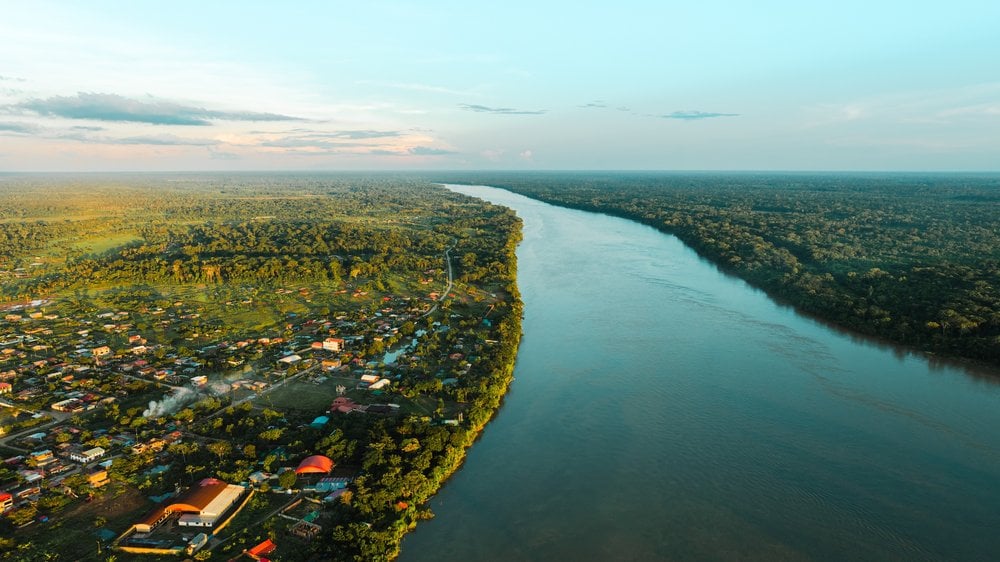
- "Whole of Place" Approach: WWF focuses on entire landscapes and seascapes rather than isolated species or habitats, recognizing that ecosystems are interconnected systems (e.g., rivers, forests, and mangroves).
- Holistic Conservation: Strategies integrate ecosystem health with the cultural, economic, and social needs of local regions to ensure long-term sustainability.
- Geographic Scope: Active conservation efforts across Africa, the Americas, and Asia.
- Selection Criteria: Places are prioritized based on biodiversity, the severity of threats faced, and the potential for WWF to create a positive, measurable impact.
- Collaborative Model: Partners include governments, corporations, Indigenous peoples, and local communities.
- Key Objectives:
- Building resilience for nature and human populations.
- Developing financial mechanisms to support conservation.
- Promoting sustainable business practices and infrastructure development.
用户评价
暂无已发布的评价,欢迎率先分享您的使用体验。